


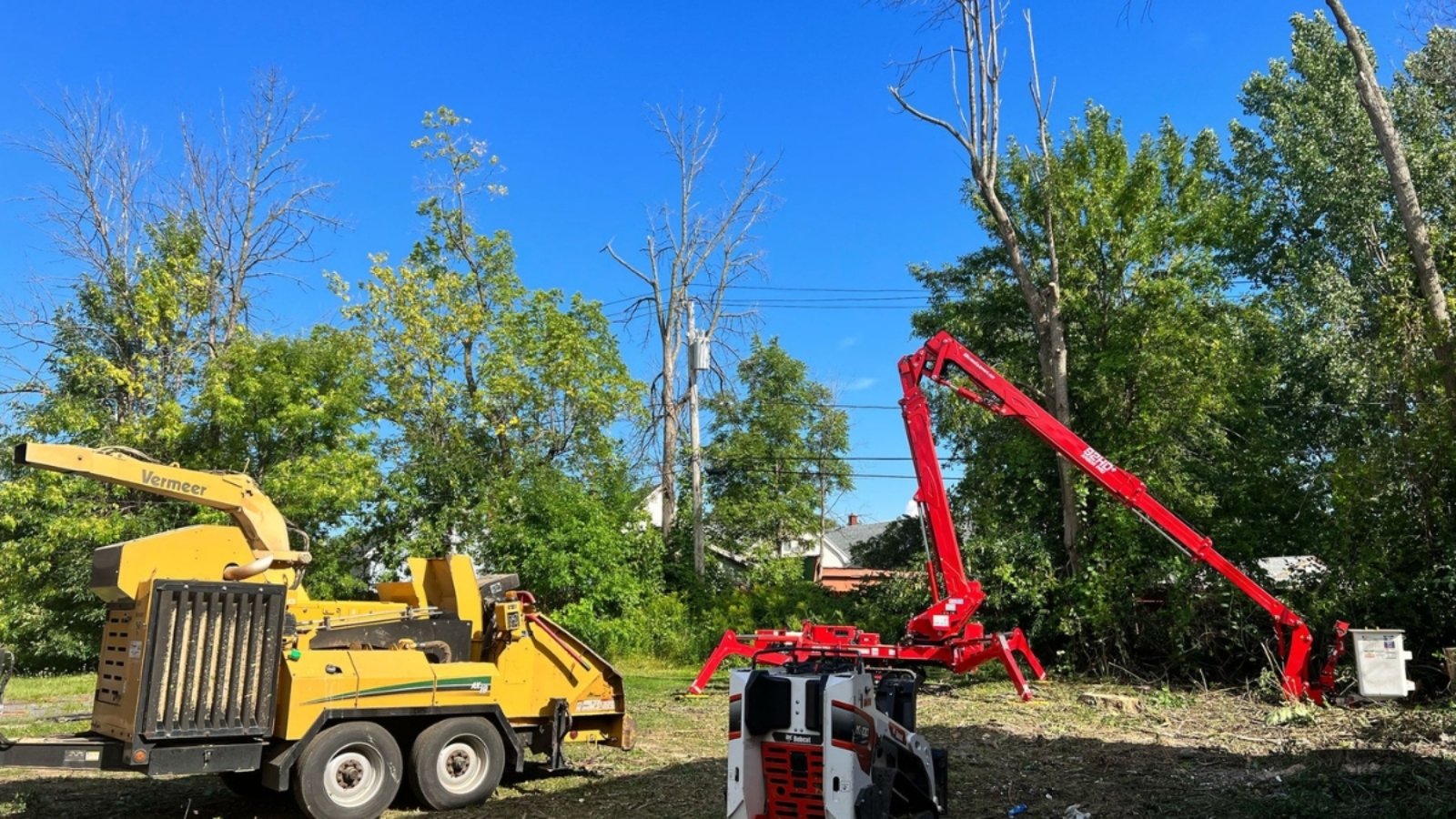
Autumn is a beautiful season in New York, but it’s also a critical time for your trees. As the weather cools and leaves start to change, certain pests become more active, potentially causing damage before winter sets in. Understanding fall tree pests and implementing tree pest prevention strategies can protect your trees and ensure healthy growth next spring.
Common Fall Tree Pests in New York
Even as temperatures drop, several pests remain active during the fall months. Here’s what you should watch out for:
1. Aphids
Aphids are small, sap-sucking insects that can weaken branches and stunt tree growth. They often cluster on new shoots and leaves, leaving behind sticky residue known as honeydew.
2. Caterpillars
Autumn caterpillars feed on leaves, sometimes stripping trees entirely. Their presence can stress trees before winter dormancy, making proper care essential.
3. Scale Insects
These tiny, immobile insects attach to branches and trunks, feeding on sap. Infested trees may show yellowing leaves, stunted growth, and sticky sap deposits.
4. Borers
Borer larvae burrow into the tree’s bark, causing structural damage and increasing susceptibility to disease. Fall is the perfect time to spot the telltale exit holes.
5. Spider Mites
Though tiny, spider mites can quickly infest trees, causing leaf discoloration and premature drop. They thrive in dry conditions, which are common in autumn.
Signs Your Tree May Be Infested
Early detection is key to effective tree pest prevention. Watch for:
- Yellowing or browning leaves
- Premature leaf drop
- Holes or tunnels in bark
- Sap oozing from trunks or branches
- Visible insect clusters or webs
If you notice any of these signs, it’s time to act.
Tree Pest Prevention Strategies
Preventing pest damage is always better than treating it. Here are proven strategies:
1. Regular Inspection
Check your trees weekly during the fall. Pay close attention to leaves, branches, and trunks for unusual signs.
2. Pruning and Debris Removal
Trim dead or weak branches and remove fallen leaves. This reduces hiding spots for pests and minimizes the spread of disease.
3. Natural Predators
Encourage beneficial insects like ladybugs and lacewings, which naturally reduce aphid populations.
4. Safe Treatments
Use horticultural oils or targeted insecticides if infestations are severe. Always follow local regulations and safety guidelines.
5. Soil and Water Care
Mulching and proper watering strengthen tree roots, making them more resilient against pest attacks.
Autumn Tree Care Tips
Fall is also a good time to prepare your trees for winter. Consider:
- Fertilizing before the first frost to promote root health
- Applying mulch to protect soil and roots
- Watering adequately during dry periods to reduce stress
These steps not only prevent pest damage but also ensure your trees emerge healthy in spring.
Conclusion
Fall is a critical time for tree health in New York. By being vigilant about fall tree pests and implementing proactive tree pest prevention measures, homeowners can protect their trees and enjoy vibrant, healthy foliage year after year. Don’t wait for visible damage inspect your trees this autumn and take action today.
Add a Comment